
3 Things to Do Consistently After Launching a Website - Chykalophia
So, you just finished launching a website. It's finally live! The coding is done, the design looks amazing and everything works great. But that doesn't mean that your work is over. In fact, websites…
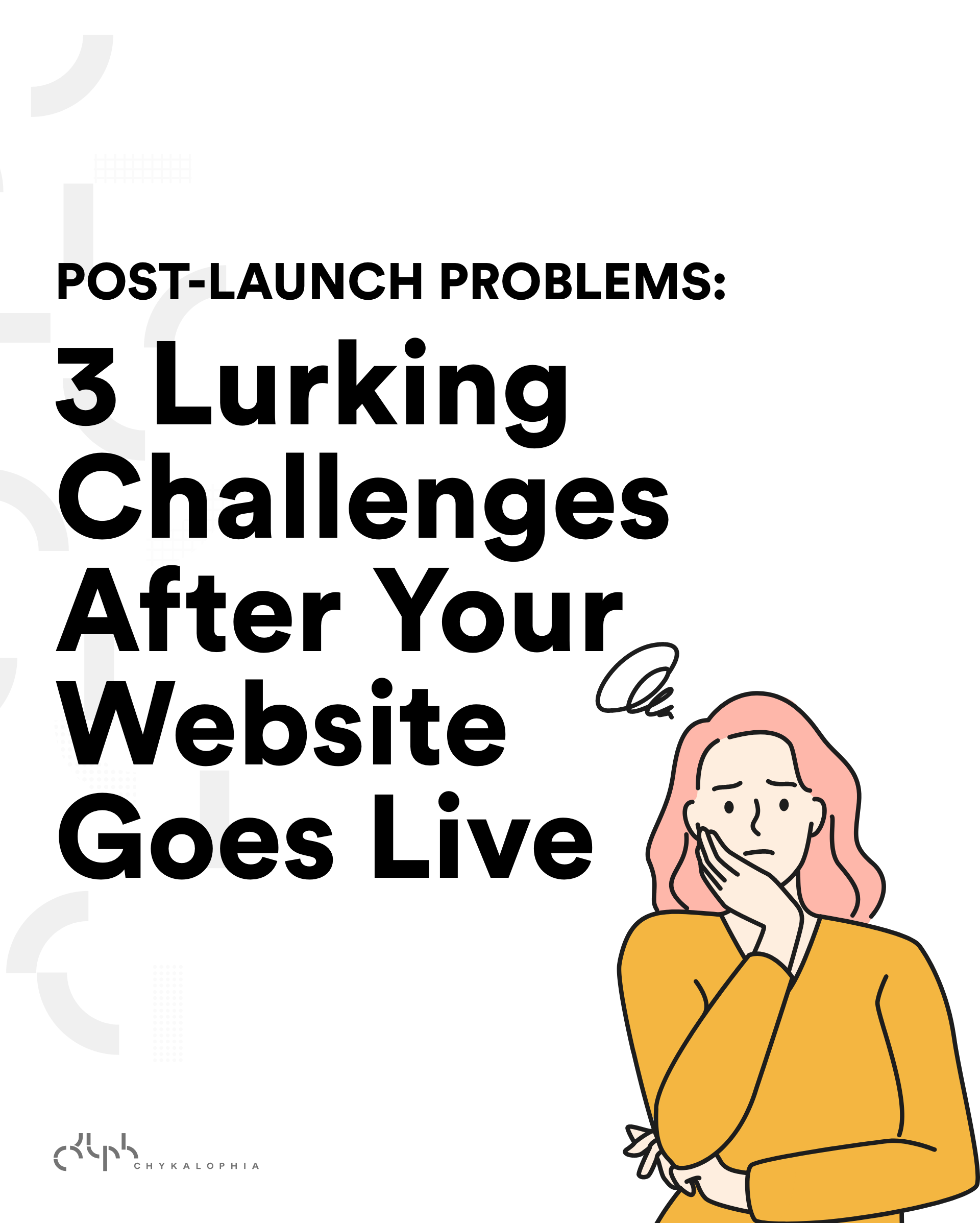
So, you just finished launching a website. It's finally live! The coding is done, the design looks amazing and everything works great. But that doesn't mean that your work is over. In fact, websites are living entity that constantly needs your attention, and that can feel overwhelming for many folks who just want to get it over with.
Here are some ideas of what you need to focus on after launching a website.
For starters, marketing is one area that should constantly evolve. This world never stays the same, and you need to be at the top of your game if you want to compete. Marketing is a whole different beast, though, so now we're going to look at items related to maintaining your website and keeping your site thriving.
What do you need to do after launching a website?
Below are the three things you must do after launching a website. Now, to be honest, it doesn't take a genius to tackle this to-do list, you just need to check on these things continuously in order to maintain your website.
Constant updates
In general, there are two types of updates you need to do to keep your website functioning and relevant:
System Updates
Your site is probably filled to the brim with plugins, apps, and add-ons, and those additional tools can seriously slow down your site’s speed if they're not regularly updated.
There were countless times when our clients complained about a slow-loading site, or even a completely dysfunctional one, only for us to discover that their plugins, systems, apps, integrations, and add-ons were faulty.
This means that you will need to check whether they need to be updated, and you'll have to go through the whole process of doing so time and time again. Typically, you should do this on a monthly basis after launching a website.
Content Updates
You probably created your site to provide information about your products or services and market them. Our guess is that you won't be selling the same products for an eternity. Your offers will change, maybe even just the fee, and those changes need to be reflected on your site.
So, what do you need to do? You need to update that information, and you will need to add new products to your site as they arrive at your business. Even new campaigns will require you to update your site, which can take a good portion of your time.
How to do it
- Apply updates on a staging copy first, then click through key pages (checkout, forms, nav) before pushing to production.
- Run a full backup with UpdraftPlus before every update batch so a bad update is one click to undo.
- If a single update breaks something, roll just that plugin or theme back with WP Rollback instead of reverting the whole site.
- Set a recurring monthly reminder to also refresh content: prices, offers, retired products, and stale campaign pages.
See a worked example
For example, imagine a caching plugin auto-updates overnight and quietly breaks your checkout page. If you had applied that update on a staging copy first and kept a one-click backup, you could roll just that one plugin back in minutes instead of losing sales while you debug in public.
Tools to use
UpdraftPlus to back up before you update, WP Rollback to undo a single bad plugin update, and the WordPress Plugin Directory to check a plugin's last-updated date before you trust it.
Steal our AI prompt
Here is my current plugin and theme list with versions, plus a note on what changed on the site last month: [paste your WordPress plugin/theme list and versions]. Act as a WordPress maintenance lead and give me a monthly update runbook: which updates are low-risk to auto-apply, which to test on staging first, the exact pages I should re-check after updating [describe your key pages, e.g. checkout, contact form], and a short content-refresh checklist for [describe the products, offers, or prices that change on your site].
Website functions
Besides updates, you need to check how your site performs and works. That can include the speed of your site, traffic, bugs, and many others. This implies that you will have to check these functions out often, ideally every day. You can go longer, although that might affect the satisfaction of your customers if something funky happens and you're not there to catch it on time.
And even if you do figure out that your site is slow, has a lack of traffic, or has new bugs, you might not know how to fix those post-launch website problems in the first place. You went through all the trouble of creating that site and now it's giving you even bigger headaches than before!
How to do it
- Block a recurring 15-minute weekly check: traffic in Google Search Console, speed in PageSpeed Insights, uptime in UptimeRobot.
- Turn on UptimeRobot alerts so you learn the site is down the moment it happens, not when a customer emails.
- When PageSpeed flags a slow page, fix the biggest lever first (usually image weight or one heavy plugin) before micro-optimizing.
- Keep a short running log of recurring bugs so you can spot patterns instead of firefighting the same issue every month.
See a worked example
For example, say organic traffic to a key landing page quietly drops one week. Rather than guessing, Search Console can show whether Google deindexed the page or a slower Core Web Vitals score pushed it down, so you fix the actual cause instead of the symptom.
Tools to use
Google Search Console to track traffic and indexing, PageSpeed Insights for Core Web Vitals and speed fixes, and UptimeRobot to get alerted the moment the site goes down.
Steal our AI prompt
Here is my PageSpeed Insights report and my Search Console traffic data: [paste the report, screenshots, or the key metrics]. Act as a web performance analyst. Rank the issues by likely impact on load time and rankings, tell me which are quick wins versus developer work, and give me a plain-language weekly monitoring checklist a non-technical owner can run for [describe your site, e.g. WordPress plus WooCommerce].
Most break-ins aren't a Hollywood hacker. They come through a plugin you forgot to update.
Security
Your site needs to be secure. This is a priority if you want to protect your customers and your own business!
Don't think that your site will never be under attack. You never know who might think that stealing all that info is a prize. Someone might even have a wish to just mess with you, causing a loss of precious resources and time.
Your website might have vulnerabilities that you're not aware of, and someone who knows how to work around those vulnerabilities will abuse them. This means that you need to protect every piece of information that is visible on your site. But sometimes, even that won't be enough!
How to do it
- Install a security plugin like Wordfence for a firewall, login protection, and scheduled malware scans.
- Run a free external scan with Sucuri SiteCheck on a schedule to catch malware and blocklist status from the outside.
- Enforce strong passwords and two-factor on every admin account, and delete logins you no longer use.
- Subscribe to vulnerability alerts through Patchstack so you hear about a plugin flaw before attackers exploit it.
See a worked example
For example, most WordPress break-ins are not a Hollywood hacker; they come through an outdated plugin with a known, already-published vulnerability. Installing a firewall plugin and running a weekly external malware scan closes that common door before someone walks through it.
Tools to use
Wordfence for a firewall, login security, and malware scans, Sucuri SiteCheck for a free external scan, and Patchstack to hear about a plugin flaw before attackers do.
Steal our AI prompt
Here is my list of installed WordPress plugins and themes with versions, plus what I already have set up for security: [paste your plugin/theme list and current security tools]. Act as a WordPress security consultant. Flag anything abandoned or with known vulnerabilities, give me a prioritized hardening checklist (firewall, two-factor, backups, least-privilege admin accounts), and a simple weekly and monthly security routine for [describe who maintains the site].
What Now?
These are just some things you will need to work on after launching a website. There are multiple ways you can take them off your hands: you can always buy software that does everything instead of you, but as we all know, the software is not always reliable.
What's more reliable than software? A team of people who have worked their whole adult lives on issues such as these. The dedicated people behind our Chykalophia Nerd Support team monitor your site constantly, catching even the slightest issues before they happen.
Keep reading
 Automation & Website Support
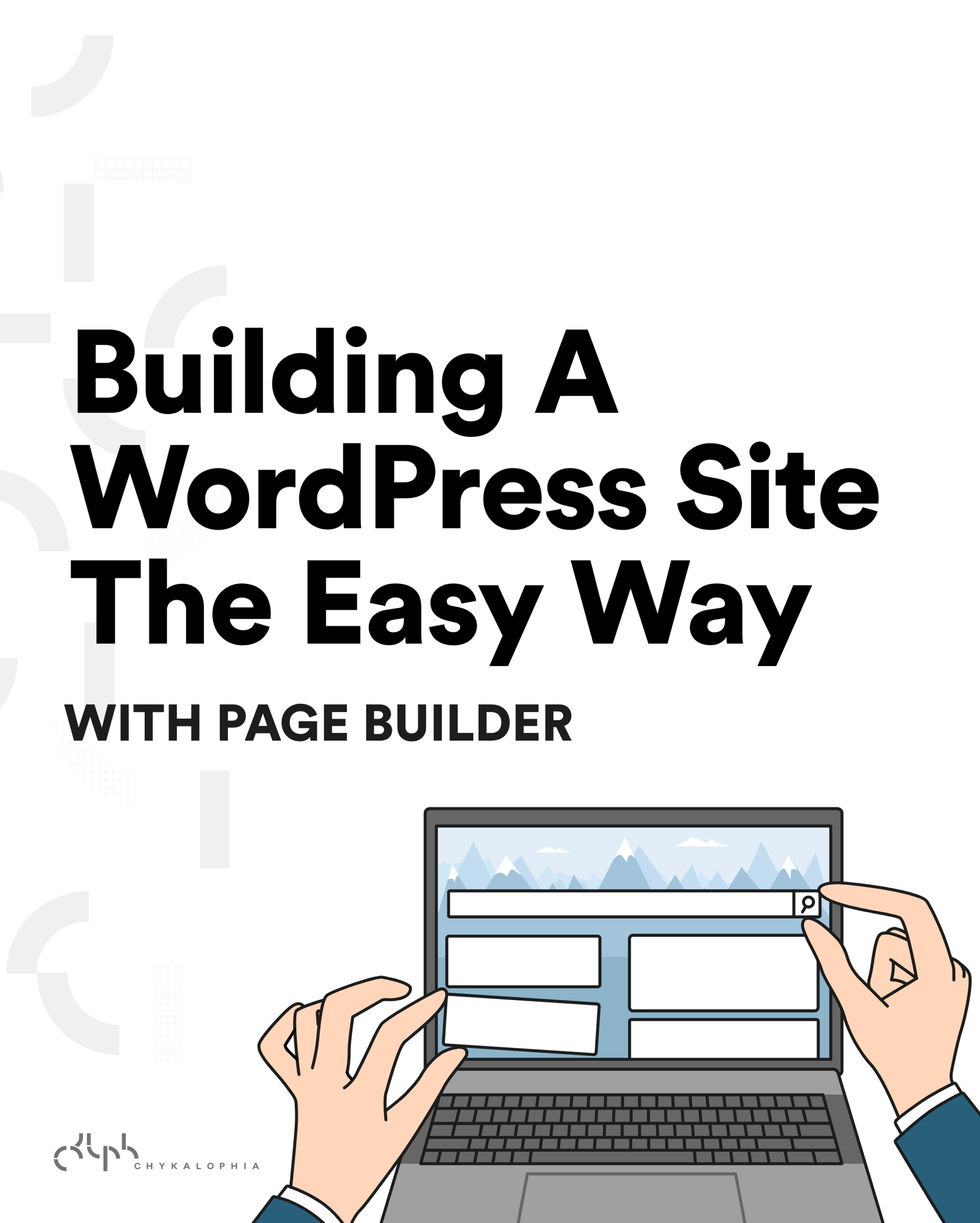
How to Build a WordPress Site Easily with Elementor Page Builder
Here’s a way to build a WordPress site easily without learning code for months or years. Try using a page builder like Elementor so your online business can run soon. Building a WordPress site for…
 Automation & Website Support
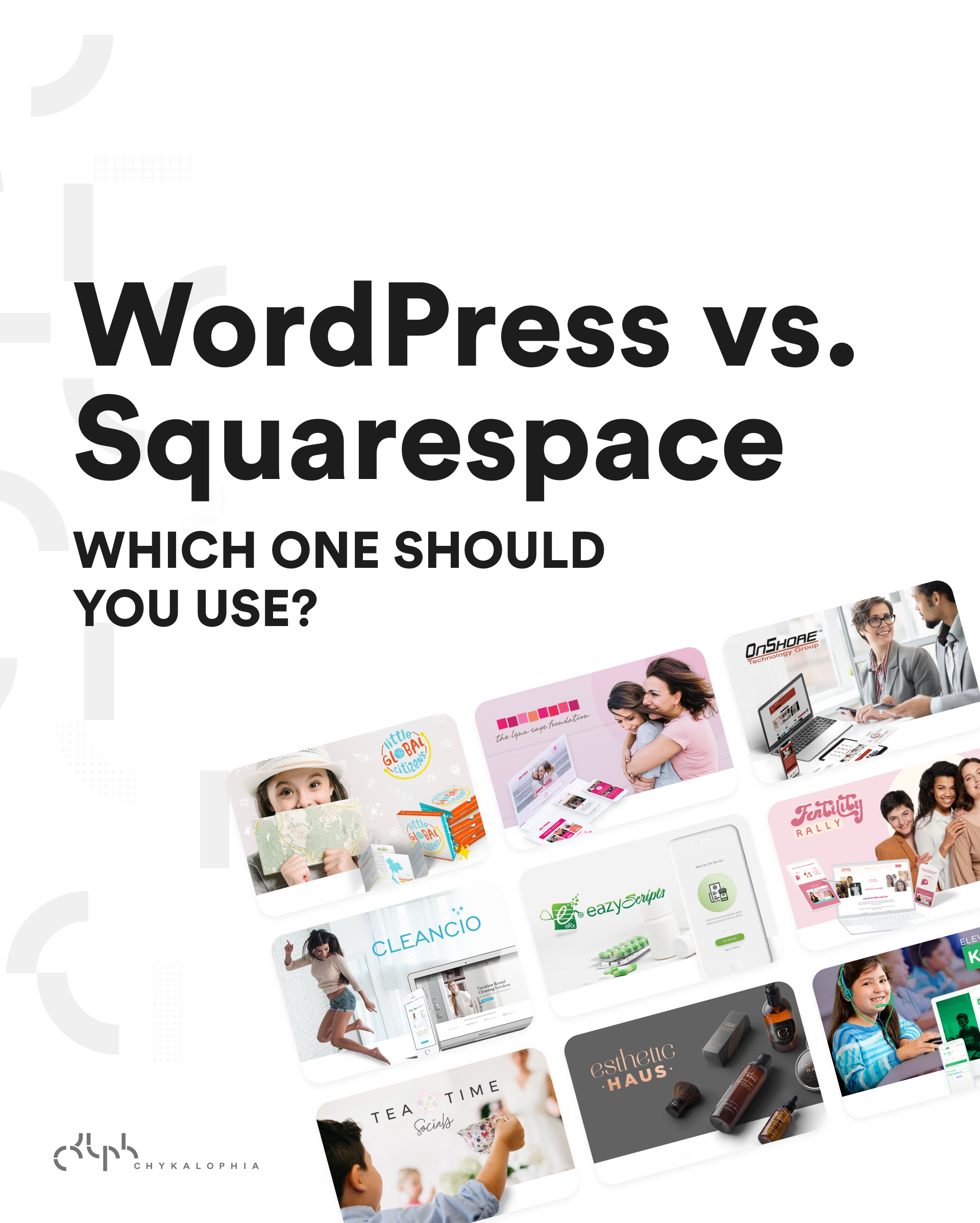
WordPress vs. Squarespace: Find The Best System that Suits Your Business Needs
Of all the systems available in the market today, some remain more popular with millions of active sites. This article will help you compare and choose between two leading website platforms:…
 Automation & Website Support
Shared vs. VPS Hosting: Which One Is For You? 7 Effective Key Considerations
Trying to compare shared vs. VPS hosting is an important step for both budget and security conscious folks. Each option offers distinct advantages and is suited to different needs. To shed light on…
See exactly where your site is losing conversions
Paste your URL and get an instant conversion score. No form to fill out, no sales call.
Weekly strategies for businesses building what's next.
The Next Draft: one email a week on turning B2B websites into pipeline. No fluff, unsubscribe anytime.